The Directorate General of Civil Aviation (DGCA)‘s Remote Pilot Training Organisation (RPTO) training for Small Category Drone objectives are designed to ensure that individuals seeking Remote Pilot Certificates receive comprehensive and standardized training. Here are the key objectives:
Training Objectives:
Standardized Training
Provide consistent and approved training programs for remote pilots, ensuring that all trainees meet the required standards.
Safety and Competency
Equip trainees with the knowledge and skills necessary to operate remotely piloted aircraft systems (RPAS) safely and competently.
Regulatory Compliance
Ensure that training programs comply with DGCA regulations and international standards.
Practical Experience
Offer hands-on training with actual RPAS and simulation devices to provide real-world experience.
Continuous Improvement
Regularly update training programs to incorporate the latest technologies, regulations, and best practices in the industry.
Certification and Licensing
Prepare trainees for the certification exams and licensing processes required to become certified remote pilots.
Eligibility
Age: Minimum age requirement is 18 years.
ID Card:Aadhar Card possession is mandatory
Educational Background: Minimum Class 10th Pass from a recognized Board
Medical Fitness: Applicants must produce Medical Fitness Certificate.
Why DGCA RPTO Training Certification
Obtaining a DGCA RPTO Training Certification for Small Category drone is must, making it a valuable asset for aspiring remote pilots.
Enhanced Safety and Competency
Comprehensive Training: The DGCA RPTO training program covers all essential aspects of drone operation, including flight safety, risk management, and emergency procedures.
Practical Experience: The training includes hands-on experience with real drones, ensuring you are well-prepared for various scenarios.
Professional Credibility
Recognized Certification: The DGCA certification is recognized and respected in the industry, enhancing your professional credibility and trustworthiness.
Marketability: Being a certified remote pilot makes you a more attractive candidate for employers and clients, increasing your marketability.
Career Opportunities
Job Prospects: Certification opens up various career opportunities in industries such as agriculture, surveying, real estate, media, and more.
Entrepreneurship: Enables you to start your own drone-based business or offer professional drone services, leveraging your certification to attract clients.
Skill Development
Advanced Knowledge: The training provides in-depth knowledge of drone technology, flight planning, navigation, and data analysis.
Continuous Learning: The certification encourages continuous learning and staying updated with the latest industry trends and regulations.
DGCA RPTO Course Details
The DGCA RPTO (Remote Pilot Training Organisation) course offers comprehensive training for individuals aspiring to become certified remote pilot for Small Category drones. The course duration is 5 days, with additional flying experience provided in accordance with the applicable terms and conditions.
Ground Classes
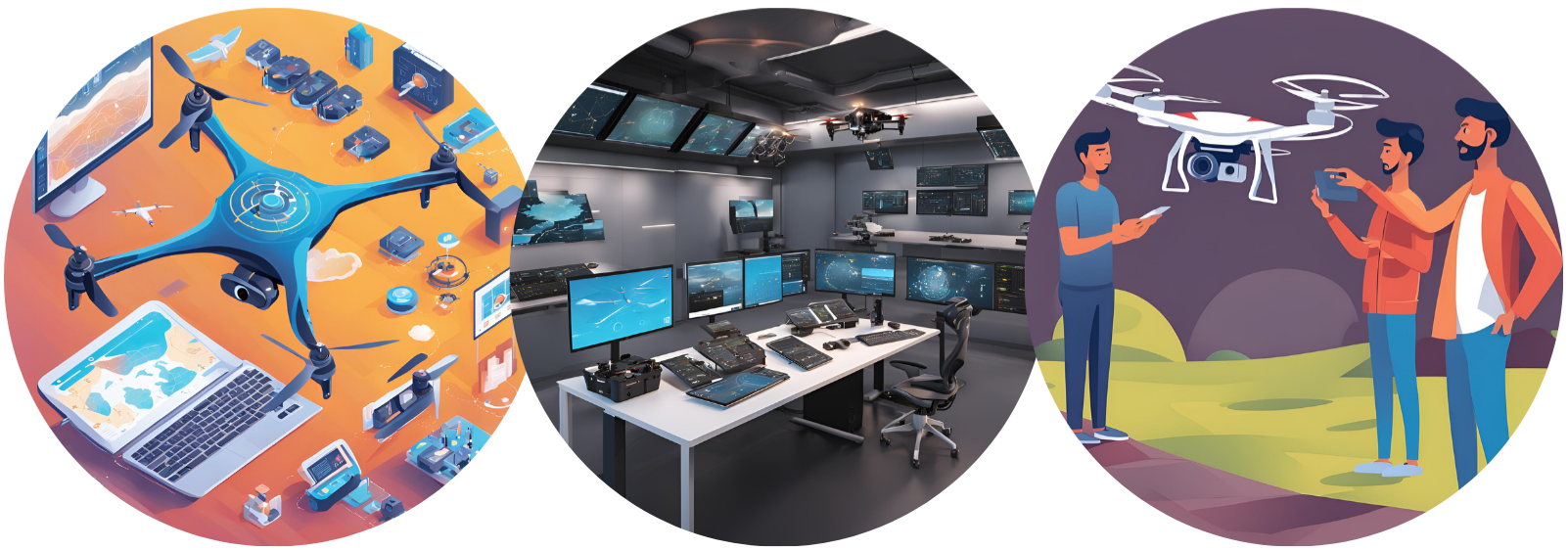
Regulations and Safety: Understanding the legal framework, safety protocols, and operational guidelines for drone operations.
Aeronautical Knowledge: Basic principles of flight, meteorology, navigation, and airspace classification.
Drone Systems: Familiarization with different types of drones, their components, and maintenance procedures.
Simulation Lab
Flight Training: Hands-on experience with drones, including takeoff, landing, and maneuvering.
Simulator Training: Use of flight simulators to practice various flight scenarios and emergency procedures.
Real-World Scenarios: Practical exercises to handle real-world situations such as obstacle avoidance and emergency landings.
Ground Practical
Written Test: Assessing theoretical knowledge through multiple-choice questions.
Practical Test: Evaluating practical skills through a flight test conducted by certified examiners.